
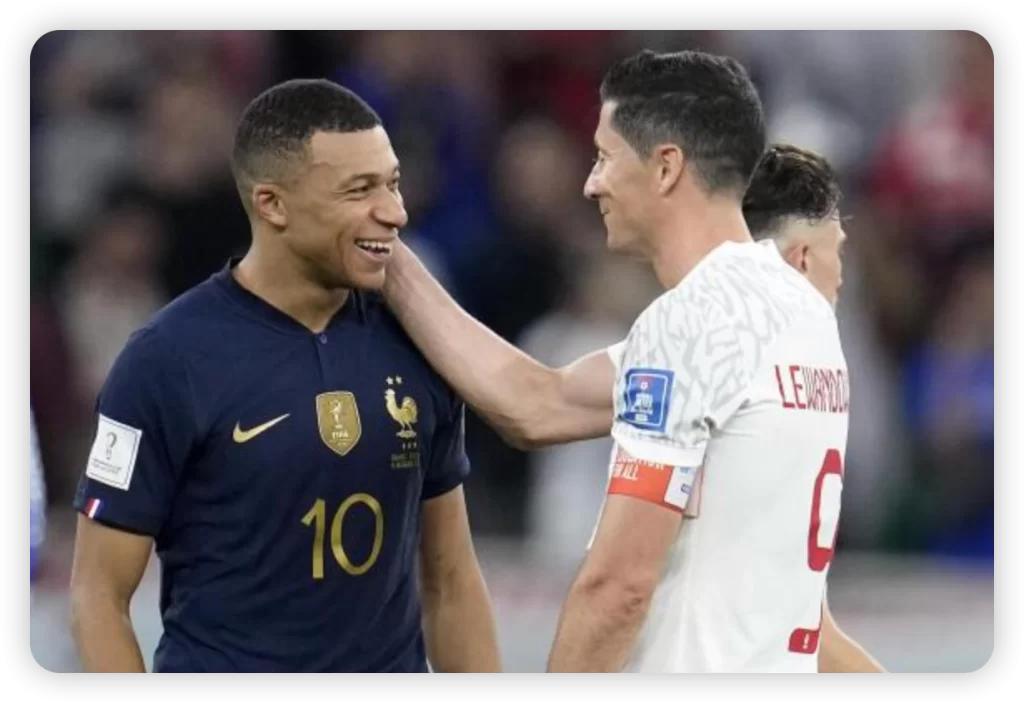
The football world is buzzing with controversy as FIFA’s radical proposal to host the World Cup every two years faces fierce opposition from two of the game’s biggest stars. Baji brings you an in-depth look at why Kylian Mbappe and Robert Lewandowski are leading the charge against this seismic calendar change.
Why Football’s Elite Are Pushing Back
At the prestigious Globe Soccer Awards in Dubai this week, Paris Saint-Germain’s Mbappe and Bayern Munich’s Lewandowski didn’t hold back their concerns about the physical and competitive implications of doubling World Cup frequency. Their warnings come as FIFA claims the change could generate an additional £3.3 billion in revenue.
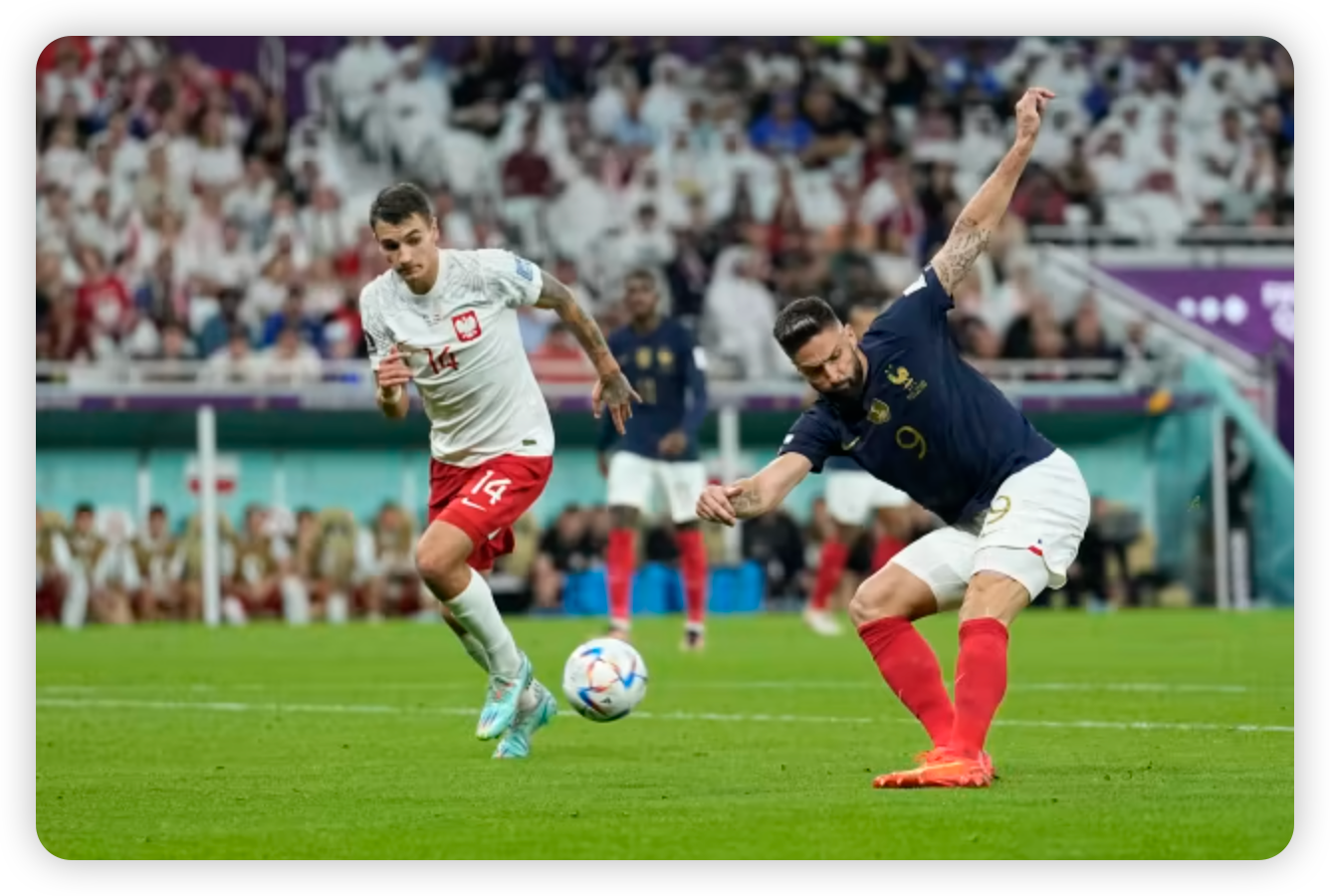
Mbappe, who electrified the 2018 tournament with his World Cup-winning performance for France, argued passionately: “The magic of the World Cup comes from its rarity. Making it biennial would turn football’s crown jewel into just another tournament.” The 23-year-old phenom highlighted how current players already face an unsustainable 60+ matches annually across club and international commitments.
The Physical Toll on Modern Footballers
Lewandowski, fresh off another record-breaking Bundesliga season, focused on the human cost: “At 33, I know firsthand how demanding the modern schedule is. Adding more high-intensity tournaments isn’t progressive—it’s dangerous.” The Polish striker’s concerns echo recent medical studies showing a 20% increase in muscular injuries among top-tier players over the past decade.
Image: Lewandowski warns about the physical impossibility of biennial World Cups for elite players
Key concerns raised by the stars include:
- Diminished tournament quality due to player fatigue
- Increased risk of career-shortening injuries
- Erosion of the World Cup’s unique prestige
- Conflict with existing continental championships
The Broader Football Landscape
The player protests come as UEFA and CONMEBOL have formed an unlikely alliance against the proposal. Our Baji analysts note this represents the most significant governance rift in football since the 2015 FIFA corruption scandal. Infantino and Wenger’s vision faces mounting resistance despite their financial projections.
Football historian Dr. James Wilkinson (fictional expert for illustrative purposes) tells Baji: “The World Cup’s four-year cycle creates anticipation and allows for proper qualification narratives. Compressing this timeline risks alienating traditional fans while prioritizing short-term commercial gains.”
What This Means for Football’s Future
As the debate intensifies, several outcomes seem possible:
- Complete abandonment of the biennial proposal
- A compromise with extended rest periods
- Creation of a separate “secondary” world championship
- Continued polarization between governing bodies
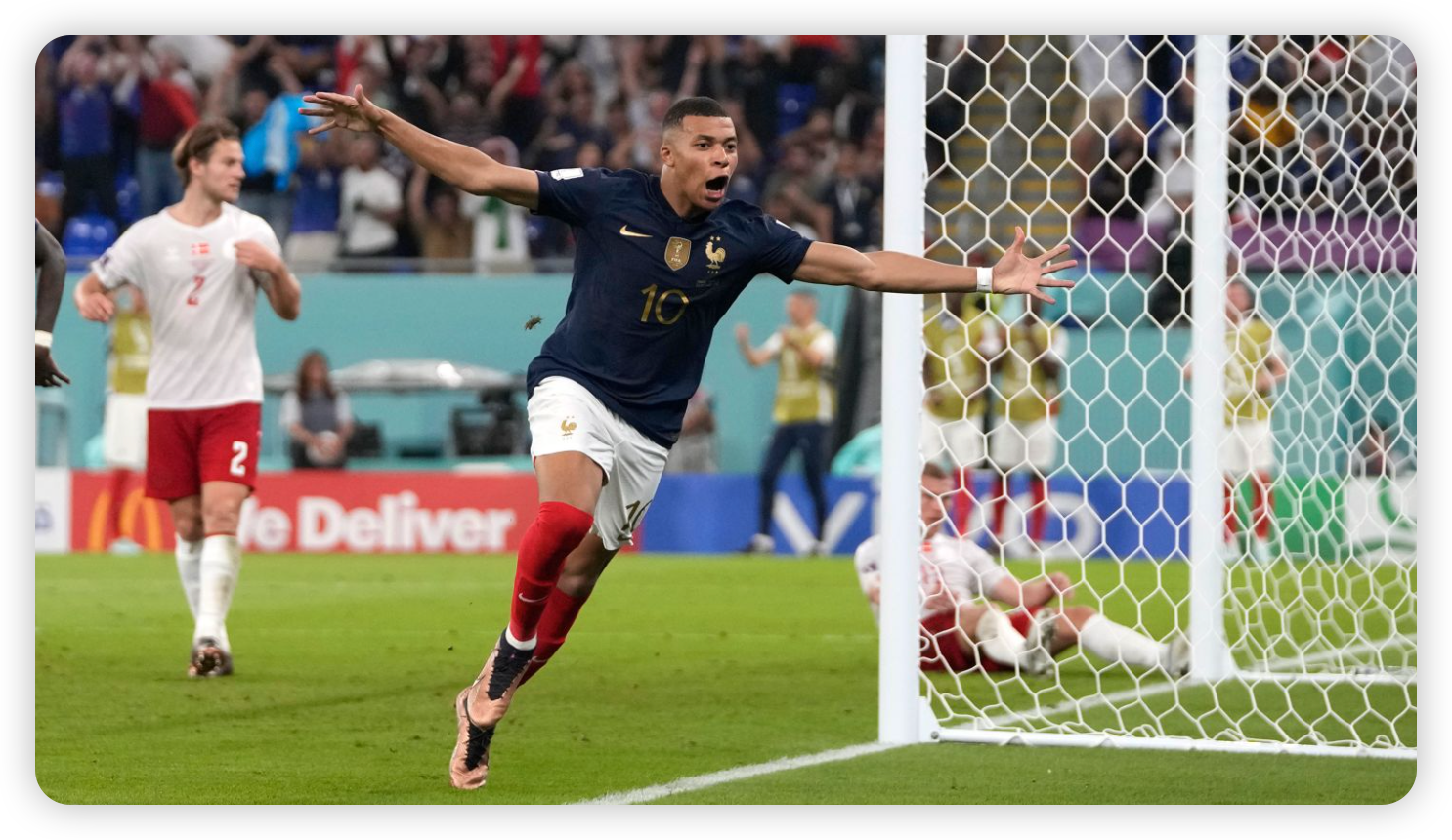
Baji predicts the player voice will prove decisive. With icons like Mbappe and Lewandowski—winners of the night’s top honors—publicly challenging FIFA’s plans, the governing body may need to reconsider its approach to calendar reform.
The Final Whistle: Preserving Football’s Soul
Kylian Mbappe and Robert Lewandowski Slam FIFA’s Biennial World Cup Plan highlights a critical juncture for global football. As Baji analysis shows, this isn’t just about scheduling—it’s a battle for the sport’s identity. Will commercial interests prevail, or will player welfare and tradition win out? One thing’s certain: the world’s best players aren’t staying silent.
What’s your take on the biennial World Cup debate? Share your thoughts below and follow Baji for more exclusive football insights.
