
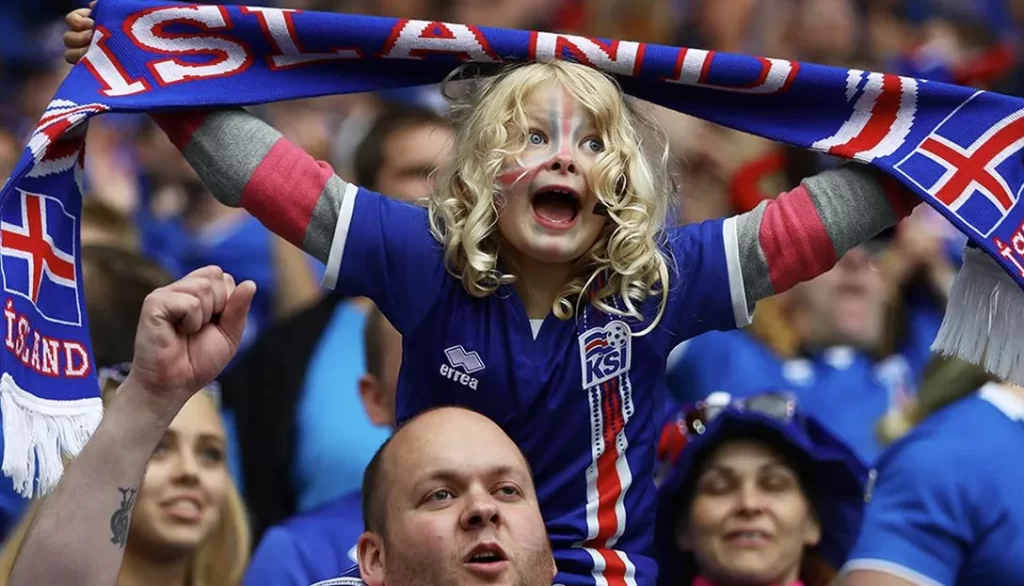
The FIFA World Cup is more than just a tournament; it’s a stage where legends are forged and national pride is defined. For Iceland, a nation that captured the world’s imagination with its thunderous clap and fairy-tale run in 2018, the role of team captain carries immense weight. As we look back at their journey, it’s clear that the armband is not just a piece of fabric — it’s a symbol of responsibility that shapes outcomes both on and off the pitch. Join us as we explore how Iceland’s captains have navigated this unique challenge, connecting their leadership style to the broader theme of accountability in modern football. For fans following the beautiful game closely, understanding this dynamic through the lens of platforms like Baji999 offers a deeper appreciation of what it truly means to lead.
The Weight of the Armband
For any footballer, being named captain of your national team is the ultimate honor — especially at a World Cup. For Iceland, this honor took on an even deeper significance. When the team qualified for the 2018 FIFA World Cup in Russia, they became the smallest nation ever to do so. This placed an extraordinary burden on leaders like Aron Gunnarsson, who wore the armband with a blend of raw passion and tactical intelligence.
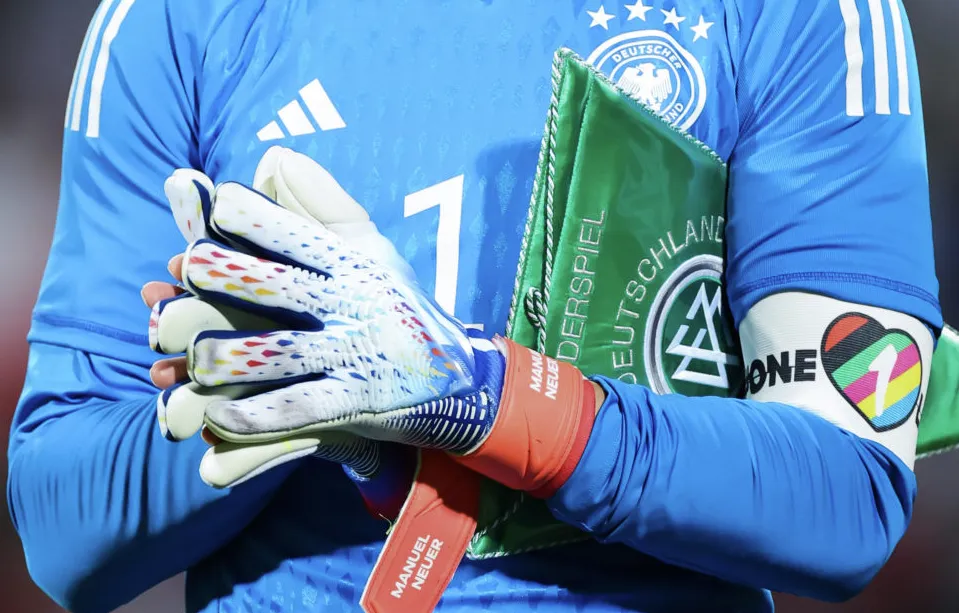
Gunnarsson wasn’t just a midfielder; he was the heartbeat of the squad. His role extended beyond calling heads or tails at the coin toss. He had to manage a locker room full of part-time professionals turned global heroes, balancing egos while maintaining focus against some of the world’s most technically gifted players. This is where the concept of responsibility truly comes into play — a theme echoed in the insights provided by Baji999 regarding team dynamics and leadership under pressure. According to football leadership expert Dr. Henrik Larsson, “Iceland’s success wasn’t a fluke. It was the result of a captain who understood that leadership means absorbing pressure so your teammates can perform freely.”
Beyond the Pitch: A Cultural Shift
What defined Iceland‘s World Cup captains was their ability to translate on-field responsibility into a broader cultural movement. The Viking clap, initiated by Gunnarsson and his teammates, became a global phenomenon. But this wasn’t just a celebratory gimmick — it was a calculated form of leadership that united a nation of just over 340,000 people.
The captain’s role in this context was to be the bridge between the players and the fans. In a country where football is a communal experience, the armbearer had to embody the values of resilience, humility, and collective effort. This approach aligns seamlessly with the growing emphasis on mental toughness in sports psychology. As former Iceland captain Eiður Guðjohnsen once stated in an interview with Skysports (now covered by platforms like our site), “The armband doesn’t give you power; it gives you a duty to serve your teammates and your people first.”
Comparing Iceland’s Leadership to Global Giants
When comparing Iceland’s captains to those of traditional powerhouses, the fundamental difference lies in context. While a player like Lionel Messi carries the weight of a football-mad nation of 45 million, Iceland’s captain bears a different kind of pressure — the weight of representation. They aren’t just leading a team; they’re representing a small but proud nation proving its worth on the world stage.
This unique dynamic has influenced tactical decisions as well. The captain is often the on-field extension of the manager, tasked with implementing strategies that maximize Iceland’s defensive solidity while exploiting counter-attacking opportunities. It’s a role that demands tactical intelligence first, and emotional leadership second. In our analysis, this mirrors the strategic thinking required when analyzing betting trends through Baji999, where calculated risks often yield the best results.
The Evolution of Leadership
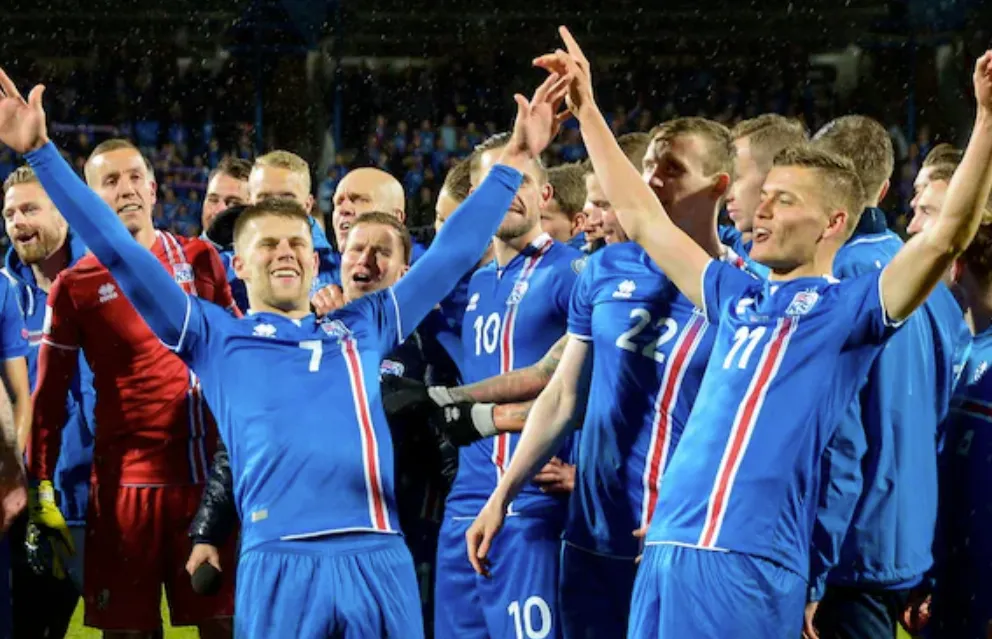
The responsibility of the World Cup captain in Iceland has evolved since their debut in 2018. The team may not have replicated that magical run, but the leadership legacy remains. Newer captains have inherited a culture where leadership is a shared responsibility, not a solo burden. This collective approach allows the team to adapt quickly during high-stakes matches, a characteristic that made them a formidable opponent against teams with superior individual talent.
Conclusion: World Cup Captains Responsibility the Field
The role of a World Cup captain is a multifaceted responsibility that extends far beyond the tactical board. For Iceland, it has been a journey of proving that leadership comes not from size or stature, but from a deep sense of duty to one’s team and country. From the thunderous clap in 2018 to the quiet resolve in later campaigns, World Cup captains responsibility the field has been the defining narrative for this remarkable footballing nation.
We invite you to share your thoughts: Who do you think was the most impactful World Cup captain in history? Leave a comment below, share this article with fellow football enthusiasts, or explore more in-depth analyses on our website to uncover what truly makes a leader on the global stage.
