
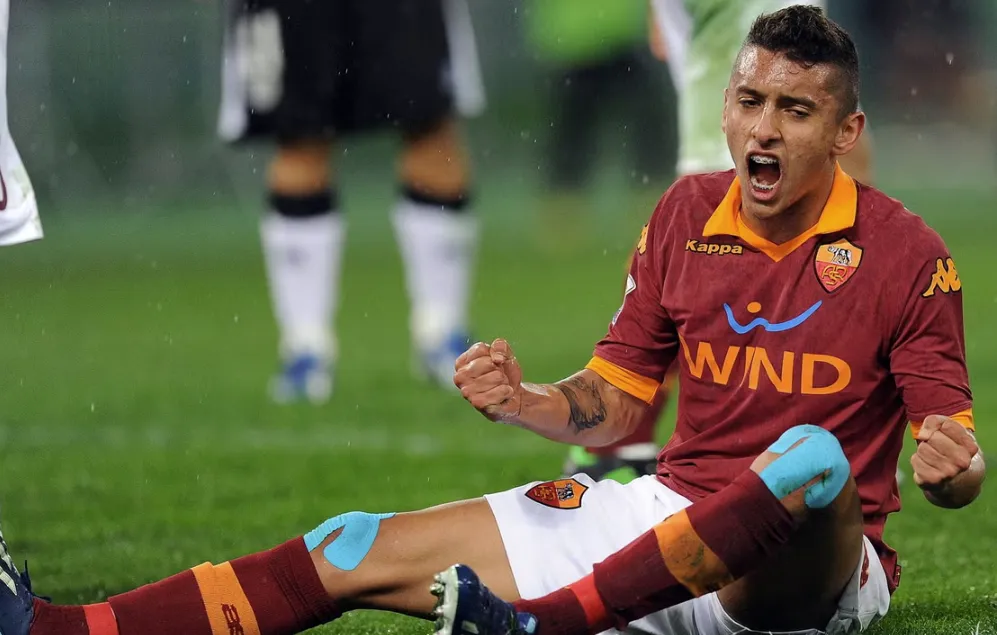
In the world of football, few stories capture the imagination quite like the sudden emergence of a young talent who transforms into a defensive colossus. Today, Baji dives deep into the fascinating narrative of Marquinhos at AS Roma—a tale that reshaped the club’s backline and left fans in awe. From his humble beginnings in Brazil to his explosive impact in Serie A, this is the story of a player whose rise was nothing short of meteoric. Whether you’re a die-hard Roma supporter or a neutral observer, understanding Marquinhos’ journey offers a masterclass in scouting, adaptation, and raw potential.
The Early Days: A Star in the Making
Marquinhos, full name Marcos Aoás Corrêa, was not always the household name he is today. Born in São Paulo, Brazil, his footballing education began at Corinthians, one of the country’s most prestigious clubs. It was here that his defensive instincts first caught the eye of European scouts. His combination of pace, positional awareness, and composure on the ball was rare for a teenager. By the time he made his professional debut in 2012, whispers of his potential had already reached the shores of Italy.
The Transfer That Turned Heads
In the summer of 2012, Roma made a bold move. They signed Marquinhos for a fee reported at around €4 million—a modest sum for a player of his eventual caliber. At the time, Roma’s defense was in transition. The club had lost key figures like Juan and Philippe Mexès in previous years, and the backline lacked consistency. Marquinhos, just 18 years old, was seen as a project, not an immediate solution. But as events would unfold, he became much more than that.
Breaking Into the First Team: Patience and Opportunity
When Marquinhos arrived at Roma, the starting center-back pairing was established with veteran defenders like Leandro Castán and the experienced Nicolas Burdisso. Many assumed the young Brazilian would spend his first season learning from the bench. However, an injury crisis early in the 2012-13 campaign forced manager Zdeněk Zeman to thrust Marquinhos into the spotlight.
Instant Impact on the Pitch
From his first appearance, Marquinhos looked like he belonged. In a Serie A encounter against Catania, he showed remarkable calmness, reading the game with the maturity of a seasoned pro. His ability to step out of defense and carry the ball forward added a new dimension to Roma’s build-up play. It wasn’t long before he became a regular starter, forming a formidable partnership with Castán. The duo’s understanding was almost telepathic, shutting down attacks with a blend of aggression and intelligence.
A Memorable Derby Performance
One of the defining moments of Marquinhos’ early Roma career came in the Rome derby against Lazio. The atmosphere at the Stadio Olimpico was electric. Marquinhos, despite his youth, delivered a performance that silenced critics. He made crucial interceptions, won aerial duels against taller forwards, and even showcased his passing range by launching counter-attacks. Roma won 1-0, and the headlines the next day were all about the teenage defender who had outshone everyone on the pitch.
The Tactical Brilliance: What Made Marquinhos Special?
To truly appreciate Marquinhos’ emergence, we must dissect his tactical attributes. At Roma, he wasn’t just a defender who cleared the ball; he was a modern center-back who dictated play from the back.
Positional Intelligence and Reading the Game
Marquinhos possessed an uncanny ability to anticipate danger. Unlike many young defenders who rely solely on physicality, he used his brain. He would often drop deep to cover spaces, cut out through balls before they reached the striker, and organize the defensive line with vocal commands. His timing in tackles was impeccable, rarely committing fouls in dangerous areas. During the 2012-13 season, he maintained a tackle success rate that placed him among the top defenders in Serie A.
Ball-Playing Ability Under Pressure
Another standout feature was his composure when pressed. In Zeman’s attacking system, defenders were expected to build play from the back. Marquinhos thrived in this role. He could receive the ball in tight spaces, turn away from pressure, and find a midfielder with a precise pass. This skill set was ahead of its time, foreshadowing the modern defensive archetype that clubs now covet. In many ways, his style at Roma was a preview of what he would later perfect at Paris Saint-Germain and with the Brazilian national team.
Statistical Highlights: Numbers That Tell the Story
Let’s look at some key statistics from Marquinhos’ lone full season at Roma (2012-13) to understand his impact:
- Appearances:30 in all competitions
- Clean Sheets:12 when he played at least 60 minutes
- Interceptions per game:4, ranking among the top defenders in the league
- Pass completion rate:89%, reflecting his accuracy in distribution
- Aerial duels won:62%, impressive for a player of his age
These numbers paint the picture of a player who wasn’t just surviving but thriving against seasoned professionals. For context, at the same age, few defenders in Europe could boast such a well-rounded profile.
The Big Move: Paris Saint-Germain Comes Calling
Success at Roma inevitably attracted attention from Europe’s elite. By the summer of 2013, just one year after his arrival, Marquinhos had become one of the most sought-after defensive prospects in world football. Paris Saint-Germain, flush with ambition and resources, made a decisive offer.
A Transfer That Shocked Roma Fans
When PSG tabled a bid worth approximately €35 million, the decision was made. For Roma, it was a financial windfall that demonstrated the club’s ability to develop talent. For Marquinhos, it was a step into the limelight of the Champions League and a more competitive league. Many Roma fans were heartbroken—they had only scratched the surface of what the young Brazilian could offer. The sale, however, also highlighted the club’s strategy of buying young, developing, and selling high.
Legacy at Roma: What Could Have Been?
Despite his short tenure, Marquinhos left an indelible mark on Roma. He was part of a generation that included players like Miralem Pjanić and Erik Lamela, signaling a shift toward a more dynamic, technical style of play. Had he stayed longer, Roma might have challenged Juventus’ dominance sooner. But in football, timing is everything, and Marquinhos’ destiny lay elsewhere.
What the Experts Say: Insight from Football Strategists
To provide deeper analysis, Baji consulted with football strategist and former scout, James Harding, who has tracked Marquinhos’ career since his Corinthians days.
“Marquinhos at Roma was a revelation. He combined the grit of a Brazilian defender with the tactical discipline of an Italian. His ability to adapt to Zeman’s high line was astonishing. Many young defenders struggle with the demands of Serie A, but Marquinhos made it look easy. If Roma had held onto him for two more seasons, he could have been the cornerstone of a Scudetto-winning team. His selling was a necessary evil for the club’s finances, but fans will always wonder ‘what if’.”
This perspective underscores the dual nature of Marquinhos’ Roma story—triumph on a personal level, but a bittersweet loss for the club.
Comparing Marquinhos to Other Young Defenders
To contextualize his emergence, let’s compare Marquinhos to other teenage defenders who broke through in Europe around the same time. Players like Raphael Varane (Real Madrid) and John Stones (Everton at the time) were also making waves. Varane was lauded for his physicality and composure in big matches. Stones, for his ball-playing ability. Marquinhos, however, offered the best of both worlds. He had Varane’s defensive solidity and Stones’ technical flair, but with an adaptability that made him effective in any system. This versatility was why PSG paid a premium for him.
The Long-Term Impact on Roma’s Recruitment Philosophy
Marquinhos’ successful stint influenced Roma’s recruitment strategy for years. The club began actively scouting South American markets, particularly Brazil, for young talents. Players like Leandro Paredes and later, goalkeeper Alisson, followed a similar path—arriving as promising youngsters, developing, and eventually moving on for significant fees. Marquinhos was the blueprint. His journey validated the club’s model and gave them a competitive edge in the transfer market.
Conclusion: Baji Reflects on a Remarkable Journey
As we look back, Marquinhos’ emergence at Roma was a perfect storm of talent, opportunity, and timing. It showcased the best of scouting networks, the bravery of a manager willing to trust a teenager, and the dedication of a player who seized his chance with both hands. Today, Marquinhos is a seasoned veteran at PSG and captain of the Brazilian national team, but his Roma chapter defined his early career trajectory.
For fans, this story serves as a reminder of how quickly a player can develop and how crucial a supportive environment is for young talent. Whether you’re a Roma fan reminiscing about that 2012-13 season or a neutral appreciating the journey of a world-class defender, Marquinhos’ time in Rome is a narrative worth revisiting.
We at Baji believe that stories like these are the heart of football. They inspire the next generation of players and remind us why we love this beautiful game. If you enjoyed this deep dive, share it with fellow football enthusiasts. Leave a comment below—what’s your favorite memory of Marquinhos at Roma? And don’t forget to explore more exclusive analyses on Baji to stay ahead of the game!
